
01
Mission command & operator systems
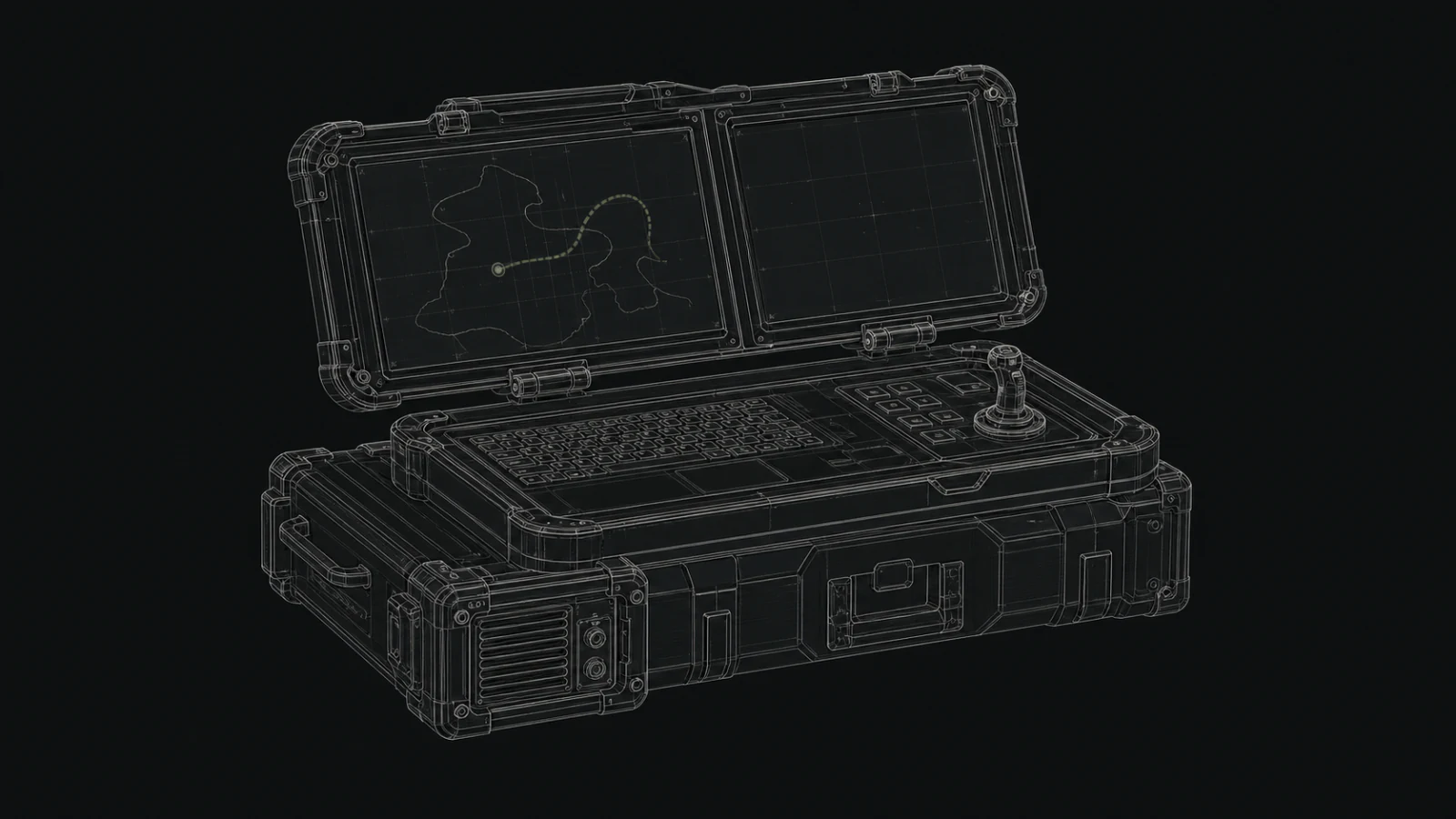
Common operational pictures, mission planning, alert triage, decision support and after-action review built for clear operator control.
C2 · Planning · Operator UI
Military Systems
ContactMission systems engineering
AIM Labs designs and builds mission software, autonomous systems and resilient edge infrastructure for defence and security organizations — from the first operational requirement to a field-ready capability.
Scope
Custom systems
Model
Build + integrate
Control
Human authorized
What we build
Software is the connective layer between sensors, platforms, operators and action. We develop that layer around the mission, the environment and the customer's authority model.
01
Common operational pictures, mission planning, alert triage, decision support and after-action review built for clear operator control.
C2 · Planning · Operator UI
02
Adapters, time alignment, tracking and calibrated classification across radar, RF, acoustic and EO/IR inputs.
Fusion · Tracking · Verification
03
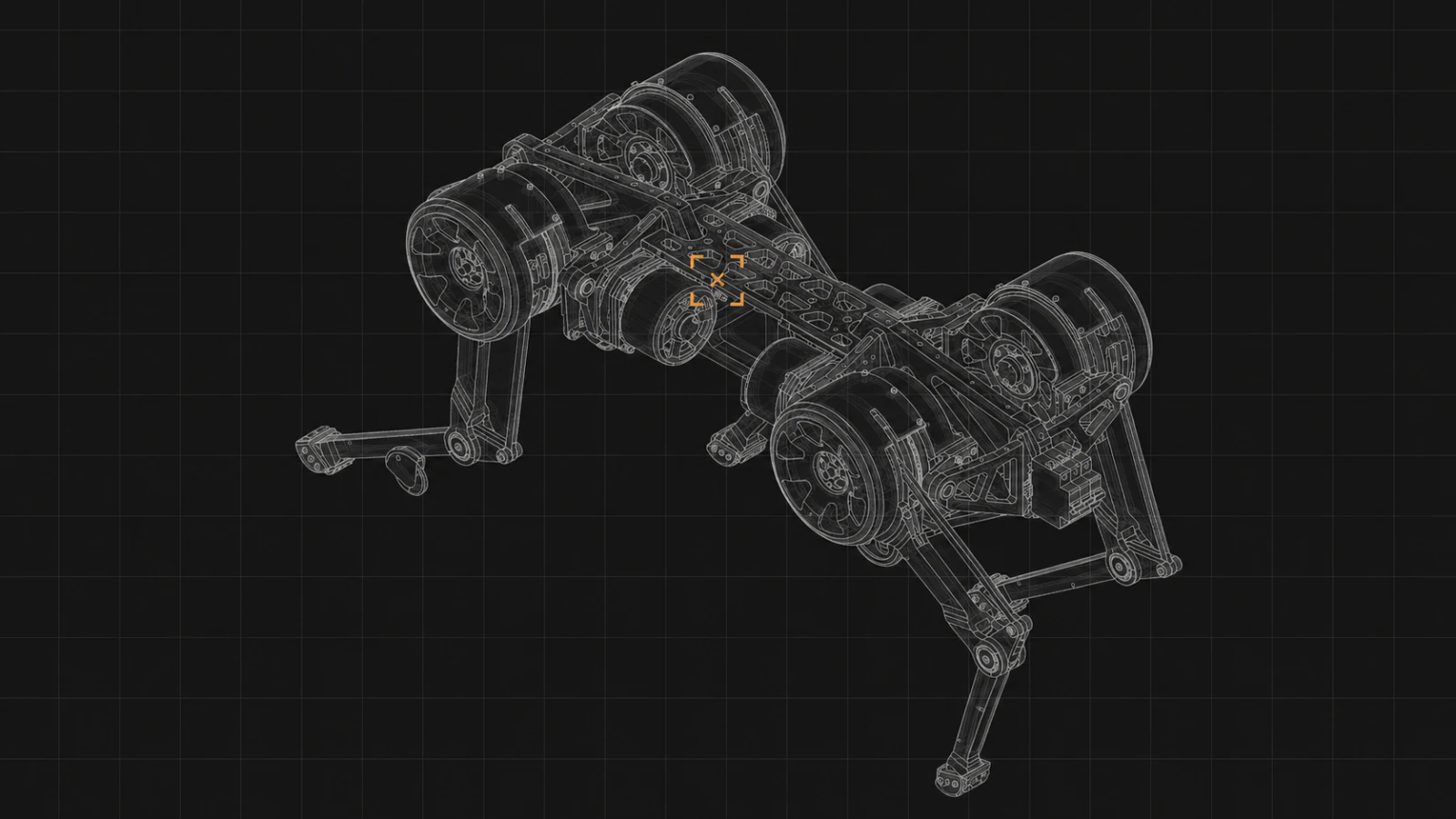
Navigation, perception, payload integration, teleoperation and supervised autonomy for unmanned ground and aerial platforms.
Robotics · Autonomy · Edge AI
04
Computer vision, RF and acoustic models, multimodal inference, uncertainty estimation and human review for changing conditions.
ML · Multimodal · Evaluation
05
Distributed software, encrypted data flows, access control and observability designed to keep working through degraded connectivity.
Edge · Security · Reliability
06
Scenario generation, system replay, model evaluation, acceptance metrics and stress testing before field deployment.
Simulation · Replay · Assurance
How we work
Users, threats, constraints, authority and acceptance criteria come first.
Prototype the hardest technical loop early, against representative data.
Connect software to the customer's sensors, platforms and command environment.
Measure performance, rehearse failures, document and improve under real conditions.
Current focus / Counter-UAS
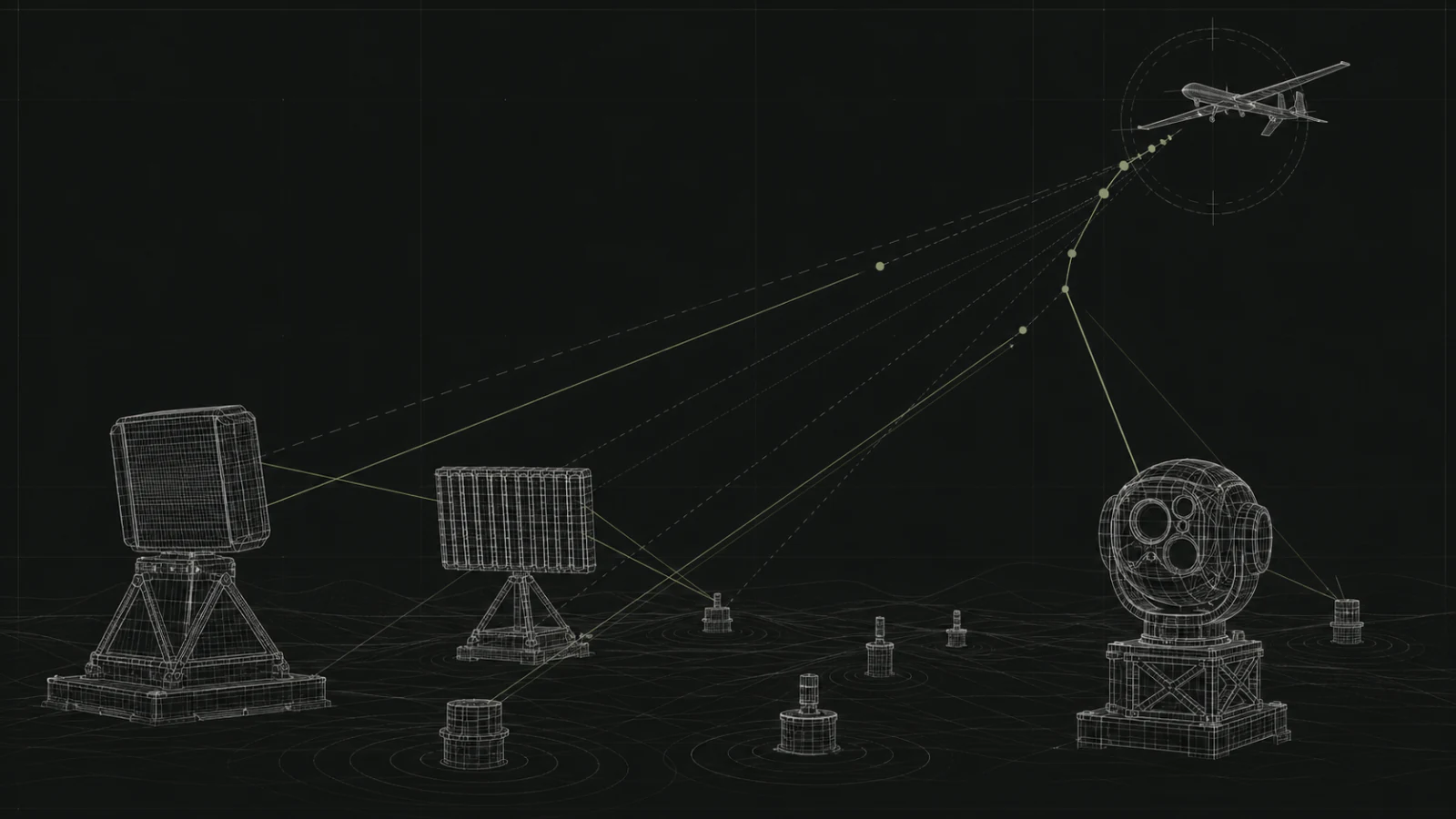
Our C-UAS direction is a software platform for detection, multi-sensor fusion, AI verification and operator decision support. It connects existing equipment without locking the customer into one hardware vendor.
We build
Sensor adapters, time synchronization, tracking, AI verification, threat scoring, operator tools and a normalized integration layer.
We integrate
Third-party radar, RF, acoustic and EO/IR sensors, unmanned platforms and the customer's authorized certified effectors.
Authority remains with the customer
Mitigation execution, RF transmission and use-of-force decisions remain under the customer's legal authority and control.
Engineering principles
Open architecture. Explicit uncertainty. Degraded-mode operation. Audit by default. Human authority preserved.
Contact
Share the mission, environment, existing equipment and the outcome you need. We will shape the system boundary and the first technical milestone.